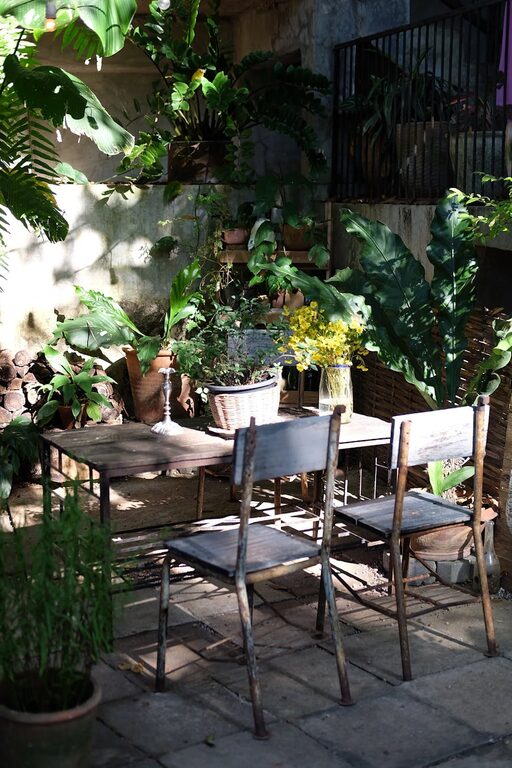
Creating a relaxing garden space at home is a wonderful way to bring peace and tranquillity into your daily life. Whether you have a large backyard, a small patio, or even just a balcony, you can design a garden area that offers comfort and calm. This guide shares practical tips to help you create a soothing outdoor retreat, tailored to your space and lifestyle.
Why Create a Relaxing Garden?
Gardens provide more than just beauty; they offer a place to reduce stress, enjoy fresh air, and connect with nature. Spending time in a well-designed garden can improve mood, encourage mindfulness, and even boost creativity. With some thoughtful planning, your garden can become a peaceful escape from the busy world.
Planning Your Garden Space
Assess Your Space and Needs
Start by considering the size of your outdoor area and what you want to achieve. Do you want a quiet reading nook, a meditation spot, or a place for casual family gatherings? Knowing the purpose will help guide your design choices.
Choose the Right Location
Look for a spot that offers good natural light but also some shade during the hottest parts of the day. A corner with shelter from strong winds can add to your comfort. Accessibility is also important—ideally, the garden space should be easy to reach from your home.
Designing for Comfort and Visual Appeal
Select Soothing Colours
Colours influence mood, so opt for calming tones like soft greens, blues, and purples. These shades can be reflected in plants, garden furniture, and decorative elements.
Incorporate Comfortable Seating
Invest in comfortable chairs, benches, or cushions that invite you to sit and relax. Consider weather-resistant materials to ensure durability.
Use Natural Materials
Wood, stone, and bamboo lend a natural feel and blend well with plants. Paths, decking, and borders made from these materials enhance the garden’s peaceful atmosphere.
Selecting Plants for Relaxation
Opt for Fragrant Plants
Plants like lavender, rosemary, jasmine, and gardenia offer pleasant scents that can reduce stress and promote calm.
Include a Variety of Textures and Heights
Mix shrubs, grasses, and flowering plants to create visual interest without overwhelming the senses. Taller plants can provide privacy, while low-growing ones soften edges.
Choose Low-Maintenance Varieties
For a truly relaxing garden, select hardy plants that don’t require constant attention. Native plants often suit local conditions and attract wildlife, adding to your garden’s vitality.
Adding Features for Relaxation
Water Elements
The gentle sound of running water can be very soothing. Consider a small fountain, birdbath, or pond to introduce this sensory element.
Lighting
Soft outdoor lighting extends your garden’s use into evenings and creates a warm ambiance. Solar-powered lights, fairy lights, or lanterns work well.
Personal Touches
Add items that make you feel happy and relaxed, such as wind chimes, garden art, or a hammock. Keep decorations simple to maintain a peaceful environment.
Creating a Meditation or Mindfulness Spot
If you want your garden to be a space for mindfulness, dedicate a quiet corner for meditation. A comfortable cushion or mat, surrounded by plants and perhaps some calming stones or candles, can help create the right atmosphere.
Practical Tips for Garden Maintenance
Regular but Gentle Care
Keeping your garden tidy without too much effort helps maintain its relaxing vibe. Prune plants as needed, remove weeds regularly, and refresh mulch or gravel to keep paths clear.
Seasonal Updates
Change elements according to the seasons, such as adding seasonal flowers or swapping cushions for weather-appropriate fabrics. This keeps your garden feeling fresh and inviting all year round.
Wildlife Friendly
Encourage birds and pollinators by providing feeders, birdhouses, or butterfly-friendly plants. Watching wildlife can be a joyful and calming experience.
Making the Most of Your Garden Space
No matter the size of your garden, the key is to create a space that reflects your preferences and offers a refuge from everyday stress. Take time to experiment with layouts and elements, and don’t be afraid to adapt your garden as your needs change.
By following these tips, you can transform your outdoor area into a relaxing garden space that you look forward to enjoying every day. Whether sipping your morning tea, reading a book, or simply breathing in the fresh air, your garden will be a sanctuary of peace at home.
About the Author