
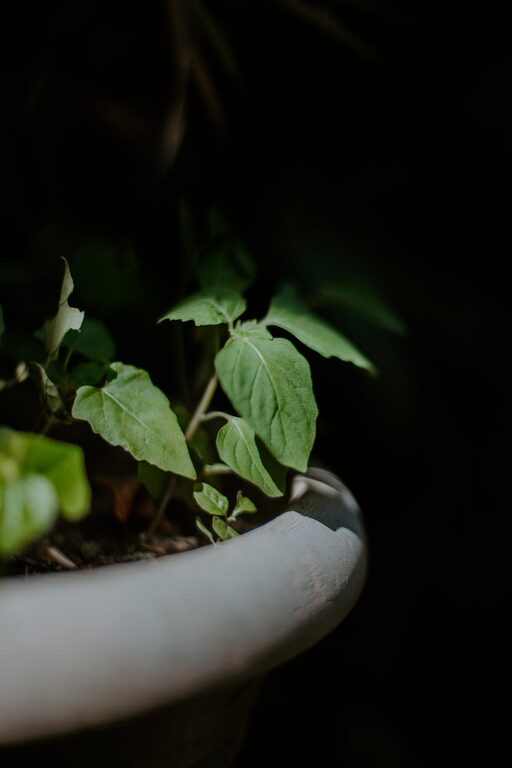
Creating a sustainable home garden is a rewarding way to connect with nature, produce fresh food, and reduce your environmental impact. Whether you have a small backyard or just a few pots on a balcony, starting a garden is easier than you might think. This guide will walk you through the basics of designing and maintaining a sustainable home garden, perfect for beginners.
What Is a Sustainable Garden?
A sustainable garden focuses on using natural resources wisely while supporting local wildlife and biodiversity. The idea is to create a garden that thrives with minimal waste, reduces water and energy use, and avoids chemicals or harmful practices. It’s about working in harmony with the environment, not against it.
Benefits of a Sustainable Home Garden
– Healthier plants and food: Growing your own vegetables and herbs means fresher, pesticide-free produce.
– Environmental impact: Reducing chemical use and encouraging wildlife supports local ecosystems.
– Cost savings: Cutting down on store-bought produce and water bills over time.
– Physical and mental wellbeing: Gardening offers gentle exercise and stress relief.
Step 1: Plan Your Garden Space
Before planting, take some time to evaluate the space you have:
– Location: Choose a spot with good sunlight – most vegetables need at least 6 hours daily.
– Size: Start small to avoid overwhelm. Even a few containers or a small raised bed works well.
– Soil quality: Healthy soil is key. If your soil is poor or contaminated, consider raised beds with imported soil.
Tips for Beginners
– Sketch a simple garden layout to visualise where plants will go.
– Consider accessibility for watering and harvesting.
– Think about using vertical space with trellises or hanging pots if space is limited.
Step 2: Improve Your Soil Naturally
Healthy soil supports healthy plants. Here’s how to build garden soil sustainably:
– Compost: Use kitchen scraps and garden waste to create compost. This enriches soil with nutrients and improves its structure.
– Mulching: Apply organic mulch like straw, wood chips, or leaves to retain moisture and suppress weeds.
– Avoid chemicals: Skip synthetic fertilisers and pesticides. Instead, feed plants with natural compost or organic fertilisers.
Step 3: Choose Sustainable Plants
Select plants that will thrive in your climate and add value to your garden’s ecosystem:
– Native plants: These support local wildlife such as bees and butterflies.
– Edibles: Grow easy-to-care-for vegetables, herbs, and fruits suited to your area.
– Perennials: Plants that return year after year reduce the need for replanting.
– Companion planting: Some plants grow better together and can protect each other from pests naturally.
Popular Plants for Beginners
– Herbs: basil, mint, chives, parsley.
– Vegetables: tomatoes, salad greens, beans, radishes.
– Flowers: marigolds (also deter pests), lavender.
Step 4: Water Wisely
Water is a precious resource. To use it sustainably:
– Collect rainwater: Use barrels to gather rain from gutters.
– Water in the morning: Reduces evaporation and helps plants absorb moisture better.
– Drip irrigation or soaker hoses: These deliver water directly to roots, conserving water.
– Choose drought-resistant plants: Some plants survive well with less water.
Step 5: Encourage Wildlife
A thriving sustainable garden supports local wildlife, which helps maintain balance:
– Provide habitats: Leave space for insects and birds with native plants, log piles, or bug hotels.
– Avoid pesticides: These harm beneficial insects like bees and ladybirds.
– Plant flowering species: These provide nectar and pollen for pollinators.
Step 6: Maintain Your Garden Naturally
Regular garden care keeps plants healthy without chemicals:
– Weed by hand: Pull weeds gently instead of using herbicides.
– Rotate crops: Changing the location of crops each year prevents soil depletion and pest buildup.
– Prune and harvest often: Keeps plants productive and reduces disease risk.
– Add more compost: Replenish nutrients seasonally.
Step 7: Enjoy and Learn
Gardening is a continual learning process. Keep notes about what works well and what doesn’t. Share surplus produce with neighbours or community groups.
Final Thoughts
Starting a sustainable home garden doesn’t have to be complicated or time-consuming. By planning carefully, improving soil, selecting suitable plants and watering responsibly, you’re creating a green space that benefits you and the planet. Begin small, stay consistent, and enjoy the many rewards of your new sustainable garden.
Happy gardening!
About the Author